
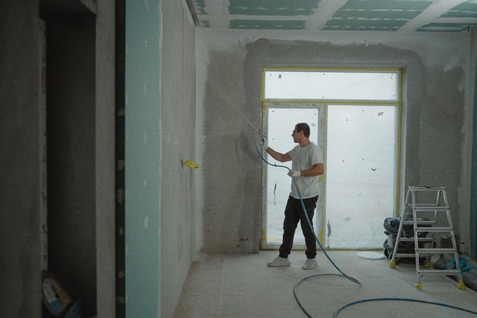
Busy parents juggling work and wellness often assume feeling tense, foggy, or sore at home is just the season they’re in. But many common home renovation challenges, cluttered layouts, harsh lighting, stale air, constant noise, and unfinished repairs, quietly add stress that shows up as poor sleep, headaches, low mood, and nagging aches. That’s the real tension: home is supposed to restore energy, yet the impact of the home environment on health can pull it away in small, daily ways. With the right focus, healthy home improvement can turn mental health and living spaces and physical well-being at home into something that supports steady, calm days
Understanding Wellness-Focused Home Design
Wellness-focused home design means shaping your space to support your body and mind, not just your style. Light affects your sleep and focus, air quality influences headaches and fatigue, and layout can either calm you or keep you on edge. Even materials and finishes can change how a room feels, smells, and holds up day after day.
This matters because small environmental “nudges” add up fast when life is already busy. When your home works with you, you recover faster, think clearer, and feel less worn down by ordinary routines. You also make renovation choices with confidence, because you know what truly moves the needle.
Picture a kitchen with bright glare, tight pathways, and lingering odors after dinner. Swap in softer lighting, better ventilation, and clearer flow, and the same evening feels lighter and less draining. With those basics clear, plumbing upgrades become an easy place to buy back comfort.
Upgrade Plumbing for a Cleaner, Quieter Daily Routine
When your home is designed for wellness, the little moments, washing up, making coffee, winding down at night, matter more than you might expect. Plumbing upgrades can turn those moments into something cleaner, calmer, and more comfortable. A water filtration system can improve everyday hygiene and peace of mind, while low-noise fixtures help the bathroom and kitchen feel less jarring, especially early mornings and late nights. Better water pressure makes handwashing and dishwashing feel efficient instead of frustrating, and a spa-style shower can shift your routine from “get it done” to genuinely restorative. When you’re ready to shop, it’s worth choosing a reputable supplier for professional-grade parts that hold up during upgrades or repairs; I like starting by exploring plumbing upgrade options to compare what’s available; you can find more information here.
Health-Boosting Renovations You Can Mix and Match
When I started thinking about wellness at home, I realized I didn’t need one huge remodel, I needed a handful of small, smart upgrades that work together. Use this as a mix-and-match menu to build restorative home environments one decision at a time.
1. Layer your lighting for flexible energy: Add at least two light sources per room, overhead + a lamp or sconce, so you can shift from “task mode” to “wind-down mode” without glare. Aim for brighter, cooler light where you prepare food or work, then warmer light in the evening where you relax. I like using layered lighting to make the same room feel productive at 9 a.m. and soothing at 9 p.m.
2. Upgrade bulbs and switches before you move walls: Swap flickery or harsh bulbs for high-quality LEDs, then add dimmers where you spend your evenings (living room, dining area, bedroom). If you’re already budgeting for quieter plumbing fixtures, treat lighting controls the same way, small parts, big daily payoff. As a baseline, prioritize kitchens, bathrooms, and hallways first so you notice the improvement every single day.
3. Create “clean air routes” with better ventilation: Start simple: confirm each bathroom fan actually vents outdoors, and run it for 20–30 minutes after showers to cut lingering moisture. In kitchens, a properly vented range hood helps remove cooking odors and particles instead of redistributing them. If your home feels stuffy, schedule an HVAC check and ask about filter upgrades and balancing airflow to the rooms you use most.
4. Tame humidity where it starts: Think like a plumber for this one, water is either where you want it, or it’s becoming stressful. Seal gaps around tubs and sinks, fix slow leaks promptly, and use moisture-resistant paint in bathrooms and laundry areas. Keeping humidity under control reduces musty smells and protects finishes, which is a sneaky way to protect your mood and your weekend time.
5. Shift to calming interior design cues that reduce “visual noise”: Choose one consistent, low-contrast palette for your largest surfaces, walls, floors, and big furniture, then add color in smaller, easy-to-change pieces. I’ve found that fewer patterns in the background makes it easier to breathe mentally when life is busy. If you want a quick win, hide clutter with closed storage where you tend to drop things.
6. Bring nature into the rooms you actually live in: Add plants near a window, use wood or stone textures, and prioritize views to the outdoors when placing seating. Even one “nature corner” can become a decompression spot you return to daily. Many people lean on biophilic and natural designs to help a space feel more grounded and restorative.
7. Re-layout for smoother movement (especially in pinch points): Walk your most common routes, bedroom to bathroom, entry to kitchen, and note where you bump, squeeze, or detour. Widening a doorway, flipping a door swing, or relocating a towel bar sounds minor, but it reduces friction you feel dozens of times a day. In small bathrooms, wall-mounted storage and a clearer path to the shower can feel like a full renovation.
8. Design a dedicated “landing zone” to lower daily stress: Near the entry, create a drop spot for keys, bags, shoes, and mail, ideally with a bench, hooks, and a tray. This is a layout tweak that prevents clutter from spreading into your calm areas. It also complements those plumbing upgrades: fewer frantic mornings means you actually enjoy the quieter, cleaner routine you invested in.
9. Choose low-fuss finishes where life gets messy: In kitchens, bathrooms, and mudrooms, pick surfaces that wipe clean easily and don’t show every water spot. Pair that with simple sound-softening moves, rug pads, felt pads under chairs, solid-core doors for bedrooms, so your home feels calmer without constant upkeep. These choices make it easier to balance budget, durability, noise, and maintenance before you commit to bigger work.
Choose One Wellness Upgrade and Let Your Home Heal
It’s hard to feel steady when daily life already runs loud and fast, and the house adds friction instead of relief. The way forward isn’t a perfect overhaul, but motivational home improvement that prioritizes creating restorative living spaces one thoughtful choice at a time. When the environment gets calmer and easier to maintain, positive renovation outcomes show up as better sleep, smoother routines, and fewer stress spikes, real long-term health benefits that compound quietly. Small upgrades can create big breathing room for the body and mind.
Wellness Renovation Questions, Answered
Q: What’s the first wellness upgrade if my budget is tight?
A: Start where you spend the most time and where one change affects the whole day, usually the bedroom, bathroom, or kitchen. Pick one “daily-use” fix like better lighting control or a stronger ventilation fan, then add the next upgrade only after you’ve felt the benefit for two weeks.
Q: How do I avoid overspending on features that don’t matter to me?
A: Use your own comfort as the filter, not hype. The fact that homeowners prioritize aesthetics and comfort over resale value is a helpful permission slip to choose what improves your day-to-day.
Q: What materials are durable and low-fuss for wellness spaces?
A: Look for surfaces that wipe clean, resist moisture, and do not need special products, like quality paint, porcelain tile, and simple satin or matte finishes. Before buying, ask one question: “What cleaner and how often?” If the answer feels annoying, keep shopping.
Q: How can I realistically cut noise without rebuilding walls?
A: Start by sealing air gaps around doors, adding a door sweep, and using thick curtains or a rug with a dense pad. If you can do one bigger step, a solid-core bedroom door is often a noticeable upgrade for sleep.
Q: What maintenance surprises should I plan for with smart upgrades?
A: Put recurring tasks on a calendar: HVAC filters, bathroom fan cleaning, and checking caulk lines in wet areas. When you buy anything with a motor or filter, confirm replacement part costs and how easy they are to access.
Photo Credit: Pexels
Karen Weeks is a Senior Lifestyle blogger. After retirement, she struggled to find a new sense of purpose which lead her to learn a new skill and took a computer course. She created Elderwellness.net – a resource for seniors who wish to keep their minds, bodies and spirits well.