
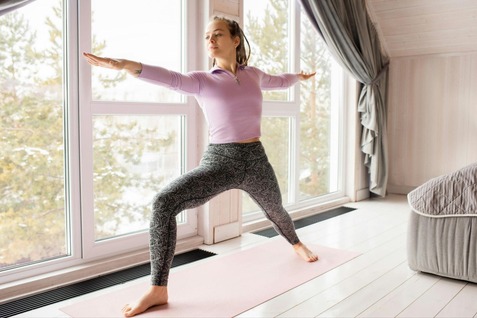
For homeowners seeking wellness, the hardest part often isn’t motivation; it’s space that supports it. A treadmill shoved into a spare room can make the whole home feel cluttered, while a relaxation corner that’s too precious to use gets ignored when life gets busy. A multipurpose wellness room solves that tension by blending movement and restoration in one place, turning home remodeling for health into something practical and lasting. With the right flexible home gym design, one room can become a steady fitness and relaxation space that invites daily use.
Understanding Flexible Wellness Space Design
At its core, flexible wellness space design means one room can support movement, recovery, and quiet time without feeling busy. It treats wellness as showing up for yourself in practical ways, so the room is easy to use on ordinary days. The guiding rule is simple: everything has a home, and the “rest” setting is the default.
This matters because a calm room lowers the friction to start. When you can shift from sweat to stretch to stillness fast, your routine becomes more consistent. Less visual clutter also makes it easier to mentally unplug when you need to.
Picture a room where the workout gear tucks away in minutes, leaving open floor space and softer light. The space signals “you’re done” when you finish, not “you should keep doing more.”
With the principle clear, layout, lighting, storage, and materials become easier to choose.
Map Layout, Light, Storage, and Materials That Actually Work
A flexible wellness room feels calm because it’s clear what happens where, and clutter doesn’t get a vote. Use these practical choices to protect that “easy to use, easy to reset” feeling you defined earlier.
Turning Uncertainty Into Curiosity
1. Sketch your zones before you buy anything: Tape out a “movement zone” and a “recovery zone” on the floor with painter’s tape, then do a 5-minute test: a few lunges, a push-up, and a stretch. Aim for at least a 6′ x 8′ open rectangle for workouts, plus a separate corner for a chair or mat where you can breathe and cool down. This quick wellness room layout planning step prevents the classic mistake of filling the room with gear you can’t comfortably use.
2. Build a simple lighting stack: bright, soft, and focused: For workouts, you want bright overhead light so you feel alert and can see your form clearly; for downtime, you want warm, lower light that signals “exhale.” One helpful benchmark is that some garage-gym fixtures reach 11,400 lumens, which shows how much brighter “training light” can be than typical room lighting. Add a dimmer or a second, softer lamp so you can shift from energizing to calming without rearranging anything.
3. Choose storage that resets in 60 seconds: Your goal isn’t perfect organization, it’s fast disappearance. Use a closed cabinet or storage bench for the “messy stuff” (bands, straps, small weights), and keep only one open shelf for items you truly use daily. Inside drawers, drawer trays with dividers stop small gear from migrating into a junk pile, so cleanup stays automatic.
4. Create a grab-and-go kit for each mode: Make one bin for “sweat” and one for “restore.” The workout bin might hold a towel, bands, and a mat spray; the recovery bin might hold a blanket, eye pillow, and massage ball. Use labels and group like with like, label everything clearly, and you’ll stop losing time (and motivation) to scavenger hunts.
5. Pick materials that forgive real life and still feel soothing: For flooring, prioritize slip resistance and easy cleaning, think a wipeable hard surface with a large, cushy mat you can roll up. On walls, choose a scrubbable paint finish so sweat marks and handprints aren’t a crisis. If you’re adding mirrors, consider one large mirror panel instead of several small ones so the room reads calmer and less visually busy.
6. Use one “calm anchor” to make it an inviting home gym: Add a single comfort element that stays put, like a soft rug in the recovery corner, a simple plant, or a basket for blankets, so the room doesn’t feel like a storage unit. A “calm anchor” helps you transition from fitness to relaxation mentally, which is the whole point of a multipurpose wellness space.
When your layout is clear, your lighting can shift, and your storage resets fast, your remodel starts to feel low-stress, and it becomes much easier to choose finishes and systems you can maintain with confidence.
Wellness Room Remodel Questions, Answered
If you want calm and function, the details matter.
Q: How can I design a single multipurpose room that supports fitness, recovery, and relaxation without feeling cluttered or specialized?
A: Start with a “clear floor” priority: protect one open area for movement, then keep recovery and relaxation in a defined corner with one comfortable seat or mat. Choose a few tools that fold, stack, or roll away so the room can switch modes fast. A small nature element helps the space feel restorative, and indoor plants can add a touch of calm without adding clutter.
Q: What are the best storage solutions to keep my wellness space organized yet flexible?
A: Aim for closed storage that hides visual noise, plus one easy-access spot for daily essentials. Use bins by activity (train, recover, relax) so you can put everything away in under a minute. If something doesn’t have a “home,” it will end up on the floor.
Q: How does lighting impact the mood and effectiveness of a wellness room designed for multiple uses?
A: Bright, even light supports safer movement and better focus, while warm, dim light cues your body to downshift. Put lighting on separate switches or a dimmer so you can change the vibe without rearranging the room. Avoid harsh glare by bouncing light off walls or using shaded fixtures.
Q: What types of materials should I consider to create a calming, durable, and easy-to-maintain wellness space?
A: Pick finishes that handle sweat and frequent cleaning, like scrubbable wall paint and wipeable flooring. Add softness with a washable rug or a large mat you can air out, rather than high-maintenance textiles. If you’re using mirrors, one larger surface often looks calmer than several small panels.
Q: What should I consider when remodeling a wellness space to ensure my home’s systems and appliances remain protected and covered?
A: Before construction, document the room’s current HVAC vents, electrical loads, and any nearby appliances, then confirm your plan won’t block airflow or overload circuits. If systems are older, schedule a basic checkup so small issues don’t become expensive surprises, since hidden costs associated with owning a home can add up over time. For extra peace of mind, consider home warranty plans so your wellness upgrades stay low-stress.
You’re not chasing perfection, just a room you can reset and enjoy daily.
Flexible Wellness Room Remodel Checklist
To bring it all together:
This quick checklist turns good intentions into a room you can actually use every day. Wellness spaces are only getting more common as the $580 billion by 2025 forecast suggests, so a simple plan helps you remodel once and enjoy it for years.
✔ Define your top three uses and rank them by frequency
✔ Reserve one open movement zone and measure it before buying equipment
✔ Choose a foldable or stackable gear that stores in one closed cabinet
✔ Install layered lighting with dimming for focus and wind-down
✔ Select wipeable flooring and scrubbable wall paint for easy cleaning
✔ Add one calming anchor like a chair, mat, or small nature element
✔ Confirm vents, outlets, and circuit load before final layout
Check these off, then enjoy the reset you built
Emotional Agility and Balanced Optimism
Emotional agility is the capacity to feel emotions without being governed by them. Suppression increases intensity; acknowledgment reduces it. When frustration or fear arises, name it, accept it, and then choose an action aligned with your values.
Balanced optimism also matters. Optimism without realism becomes denial. Realism without optimism becomes cynicism. Together, they create grounded hope—confidence informed by preparation.
Resilient individuals anticipate obstacles while trusting their capacity to respond.
A Structured Way to Strengthen Resilience
If you want to build resilience intentionally, begin with this sequence:
1. Identify one current uncertainty in your life.
2. Separate what you control from what you cannot control.
3. Commit to one learning goal that improves adaptability in that area.
4. Establish a brief daily reflection or mindfulness practice.
5. Seek perspective from someone you trust.
6. Review progress weekly and adjust based on evidence, not emotion.
Small, steady adjustments compound over time.
Build a wellness Room That Strengthens Fitness, Calm, and Confidence
It’s easy to want a room that supports workouts and quiet, then feel stuck between limited space, limited time, and too many choices. The way through is a flexible, purpose-first remodeling mindset, shape the room around how life really works, then let the setup adapt as needs change. Done thoughtfully, the benefits of wellness spaces show up in steadier physical and mental well-being, more consistency, and growing confidence in home projects because progress becomes visible. A flexible wellness room turns self-care into something your home makes easier. Choose one next step this week: clear one corner, measure the area, or schedule a small upgrade, and let that win carry forward. Over time, that long-term wellness room impact becomes a quiet source of resilience, energy, and steadier days.
Photo Credit: Pexels
Karen Weeks is a Senior Lifestyle blogger. After retirement, she struggled to find a new sense of purpose which lead her to learn a new skill and took a computer course. She created Elderwellness.net – a resource for seniors who wish to keep their minds, bodies and spirits well.