
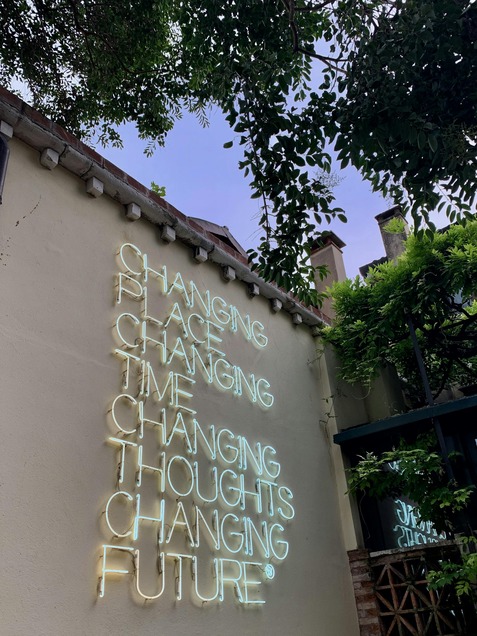
For adults facing major life transitions like a move, a career shift, a new diagnosis, a breakup, or retirement, navigating change can feel like living without a map. The core tension is real: life change challenges arrive with high stakes and mixed emotions, and coping with uncertainty can shake identity, routines, and relationships all at once. Still, these moments also invite a personal growth journey, one where emotional resilience becomes less of a trait and more of a practice. With the right perspective, major changes can be met with clarity and steadiness.
Quick Summary of Key Takeaways
• Recognize your emotions, name what you are losing, and give yourself permission to feel and adjust.
• Reframe change as a transition you can navigate with small, practical steps and flexible expectations.
• Build a steady support system by asking for help, leaning on trusted people, and seeking guidance when needed.
• Protect your wellbeing by managing stress daily with routines, rest, and healthy coping strategies.
• Strengthen resilience by focusing on what you can control and celebrating progress as you adapt.
Understanding the Mindset Behind Resilient Change
When life shifts fast, your mind tries to protect you.
Major changes can trigger stress, anxiety, and a sense of losing control, even when the change is positive. Recognizing the psychological impact of change helps you respond with intention, not panic. Two helpful frameworks are a growth mindset, which treats setbacks as feedback, and emotional regulation, which helps you feel emotions without being ruled by them.
This matters because your thoughts and feelings shape your next decision, from what you avoid to what you attempt. With steady regulation and flexible thinking, you can recover faster after hard days and stay engaged with your goals. That steadiness is valuable when anxiety pressures rise, including the sharp increase seen in recent years.
Picture starting a new job and feeling the familiar spiral of “I’m behind.” A growth mindset turns that into “I’m learning,” while regulation helps you breathe, name the feeling, and take one small step.
With that foundation, practical strategies for moves, career shifts, and loss become easier to choose and follow.
Apply Powerful Tools and Examples for Common Life Transitions
Big changes feel less scary when you give your mind something solid to stand on. These practical tools turn a growth mindset and emotional regulation into simple, repeatable steps you can use during a move, a career transition, or the grieving process.
Quit Chasing Other People’s Blueprints
1. Shrink the change into a 14-day plan: Pick one transition and write a two-week checklist with no more than 10 items total. Keep each task under 30 minutes (call the utility company, request medical records, update your address with one provider). This works because your brain handles “small, winnable steps” better than huge unknowns, confidence builds through completion.
2. Move to a new home with a “first week” kit and a “first month” box: Pack one clearly labeled bag with essentials you’ll need immediately: chargers, meds, two days of clothes, toiletries, basic cleaning wipes, and one comforting item. Then pack a separate box for the first month, light bulbs, tape, a simple tool, and paperwork like lease/mortgage documents. When stress spikes, this reduces decision fatigue and keeps you regulated because you’re not hunting for basics.
3. Use a career transition map: skills → roles → proof: List 5 skills you already use (organizing, customer service, spreadsheets, troubleshooting, writing). Match each skill to 2–3 target roles, then choose one small “proof” you can create in a weekend, update a resume bullet, build a sample spreadsheet, or write a one-page process guide. This approach supports a growth mindset because you’re treating your career as something you can iterate, not something you “either have or don’t.”
4. Choose an education pathway that fits your life, not your wishful calendar: If you’re pivoting careers, look for programs that let you move faster through what you already know and slow down where you don’t. Many adults like competency-based education because you can often progress at their own pace by demonstrating competency rather than waiting out a fixed schedule. For example, if you’re considering online accounting degrees, map the required courses to your weekly reality (6–10 hours/week) before you enroll, as this is a good option.
5. Build a “minimum viable budget” for the transition season: For 30 days, track only four categories: housing, food, transportation, and “transition costs” (moving supplies, application fees, extra childcare). Set one small rule you can keep even on hard days, like “pause nonessential subscriptions until the move is done.” This supports emotional regulation because money surprises often trigger spirals; clarity creates calm.
6. Grieve in repeatable, gentle rituals: In the grieving process, aim for structure without pressure: a 10-minute daily walk, a weekly check-in with one trusted person, and one simple memory practice (write a note, light a candle, look at photos for a set time). When emotions surge, name what you feel (“sad,” “angry,” “numb”) and choose one grounding action (sip water, step outside, hold something warm). Grief changes shape over time, and your job is to stay present for each shape without judging it.
These tools don’t erase the hard parts, but they give you traction, so shock can slowly turn into steadier footing and, eventually, real strength.
A Simple Rhythm for Shock → Growth
To keep these tools usable, follow this rhythm.
When life flips fast, confidence comes from knowing what to do next. This workflow gives you a steady cadence for the stages of adjustment, so you can move from shock and denial toward acceptance and growth without forcing feelings or stalling out. It also builds resilience over time, which can support satisfaction and steadiness in demanding seasons, as resilience is closely correlated with job satisfaction.
| Stage | Action | Goal |
| Notice | Name what changed and what you feel right now | Reduce confusion and stop guessing your own state |
| Stabilize | Meet basics: sleep, food, movement, one support contact | Calm your body enough to think clearly |
| Choose | Pick one priority for the next 14 days | Turn the change into a workable focus |
| Act | Do one small task daily; capture wins in one line | Build momentum through visible progress |
| Review | Weekly check-in: what helped, what hurt, what’s next | Learn your pattern and adjust early |
| Integrate | Keep what works; drop what drains; repeat the cycle | Shift from survival to sustainable growth |
Each pass through the cycle makes the next pass easier: clarity fuels action, action creates data, and review turns that data into better choices. Over time, your nervous system starts to recognize the rhythm as safety, not pressure.
Start small, stay consistent, and let the repetition carry you forward.
Choosing Confidence and Resilience Through Life’s Biggest Transitions
Major life changes can shake identity, routines, and relationships, making it hard to see what comes next. A positive mindset and the shock-to-growth rhythm create room for overcoming adversity while embracing new beginnings with hope and motivation. With that approach, uncertainty becomes something to work with, and personal empowerment grows through proactive life management instead of waiting for life to settle. You can’t control the change, but you can shape your response. Choose one small next step today, name what’s ending, and name what’s beginning. That steady choice is what builds resilience, protects well-being, and opens the door to a stronger chapter ahead.
Photo Credit: Pexels
Karen Weeks is a Senior Lifestyle blogger. After retirement, she struggled to find a new sense of purpose which lead her to learn a new skill and took a computer course. She created Elderwellness.net – a resource for seniors who wish to keep their minds, bodies and spirits well.